Is Your Business Ready for an ISO 42001 AI Management System?
ISO/IEC 42001 is a management-system standard for organizations building or using AI. A practical readiness review identifies responsibilities, controls and evidence gaps without claiming certification.

What should you check first?
ISO/IEC 42001 is a management-system standard for organizations building or using AI. A practical readiness review identifies responsibilities, controls and evidence gaps without claiming certification.
The starting point is organizational scope, AI risk controls and evidence readiness. Review the official sources and consider the exceptions before deciding how your organization should act.
Technology decisions need clear legal and business responsibilities
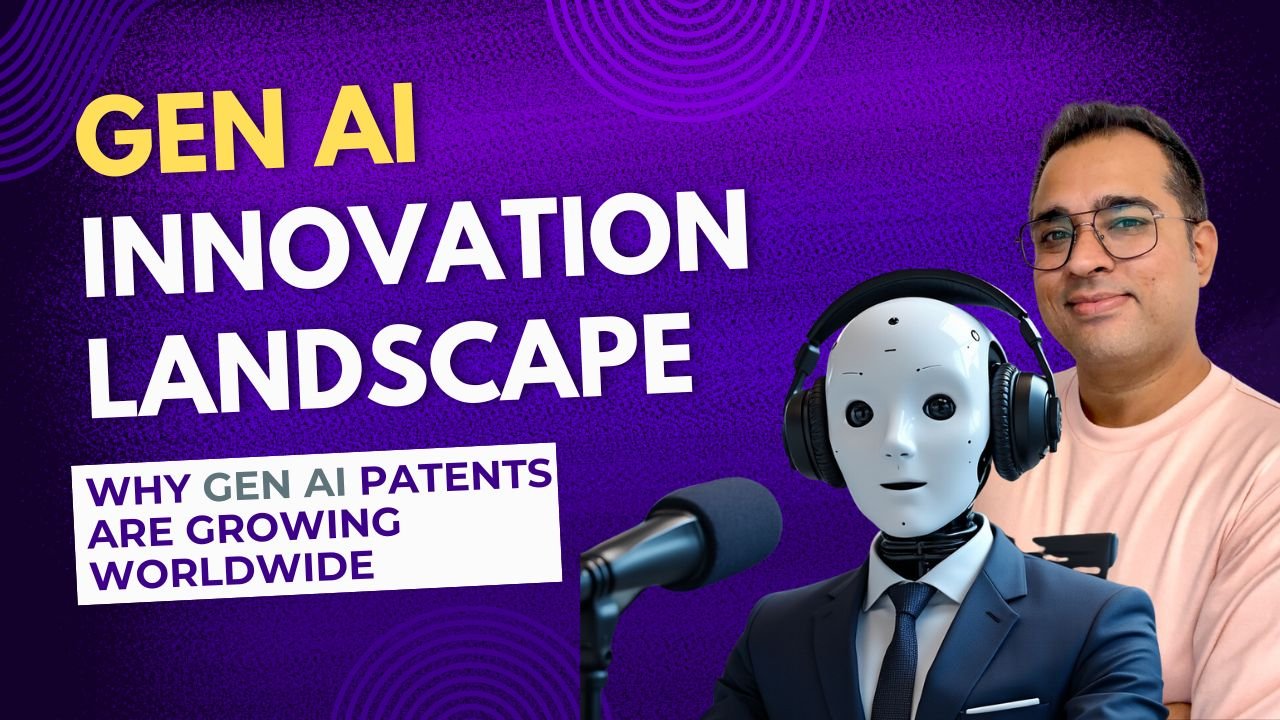
This featured presentation provides wider technology and innovation context. The detailed regulatory analysis for this topic appears in the research sections below.
About Dr. Rahul Dev and the research approach How to patent fintech inventions
 Gen AI Innovations
 What is Extended Reality
 How to patent artificial intelligence based innovations
 Patent claim drafting
How to patent fintech inventions
Gen AI Innovations
What is Extended Reality
How to patent artificial intelligence based innovations
Patent claim drafting
What should you check before you act?
If your organization is considering ISO/IEC 42001 readiness, the first question is not whether a vendor says its tool is compliant. It is whether the rules actually apply to your intended use, users and decisions. A focused assessment starts with the facts that determine the relevant legal test.
This guide is intended for ai product teams, operational risk and governance leaders. It offers a decision framework and primary references; it does not provide an individual legal opinion or guarantee a business outcome.
Move from uncertainty to a documented decision
Instead of guessing whether a general AI-policy template fits your product, identify the authority, activity, evidence and any exception. This makes it easier to prioritize actual work while avoiding controls that are not relevant to the deployment.
- Understand the specific use and jurisdiction.
- Separate binding rules from voluntary standards and professional suggestions.
- Identify the documents and technical facts needed for the next decision.
What might a AI management system gap assessment include?
A defined documentary review, if the relevant professional capability is available and the engagement is accepted, may examine organizational scope, AI risk controls and evidence readiness. The scope should be agreed from the business facts before anyone describes a legal or technical conclusion.
- Initial fact and intended-use questionnaire
- Applicable primary-source and exception mapping
- Evidence and supplier-information request list
- Decision and risk matrix with unresolved questions
- Action owners and practical next-review triggers
Have a specific business question? Describe the tool and decision you need to make. Do not send confidential records in an initial message.
Send Your Query NowWhy check the original rules?
An AI platform, an organization that deploys it and the people affected by its output may have different duties. The most reliable starting point is the applicable statute, regulation or standard, followed by official guidance and documents about the actual system. This avoids equating an attractive product description with a supported compliance finding.
The sources linked later on this page identify the primary materials used for the general research. They do not establish that an individual company meets an exemption or has fulfilled a requirement.
From your business question to a reviewable action plan
- Define: identify the system, owner, users and relevant location.
- Check: match the facts against the controlling rule or published standard.
- Document: identify evidence, supplier dependencies and unresolved questions.
- Act: allocate proportionate changes and appropriate professional referrals.
The process is a proposed structure for assessment, not a claim that a particular service has already been commissioned, performed or validated for your organization.
Is this the right question for your business?
This guide fits organizations whose immediate decision concerns organizational scope, AI risk controls and evidence readiness. If the real problem is a dispute, enforcement notice, specialized technical audit or sector licence, a differently qualified adviser may be necessary. Begin with official records and the decision to be made; do not rely on a general web page as legal advice.
Not sure where to begin? Tell us the product, jurisdiction, users and the decision in plain language.
Send Your Query NowWhat should ai product teams, operational risk and governance leaders verify?
This research is organized around organizational scope, AI risk controls and evidence readiness. It distinguishes a legal rule or published standard from a proposed internal control, and it does not assume that the same answer applies to every organization. Each recommendation below should be tested against the actual use case, competent authority, provider arrangement and currently operative text.
What is ISO/IEC 42001?
ISO/IEC 42001:2023 is an international AI management-system standard describing requirements to establish, operate, maintain and improve an AI management system. It applies to organizations developing, providing or using AI systems, with scope dependent on their activities. The standard is not a US statute or a blanket legal approval. Organizations should determine what part of their operations the management system will cover.
Legal test: Identify the statutory or published-standard provision and record whether the relevant condition is satisfied, not satisfied or unclear. Describe the product configuration that supports the finding. If the cited material is guidance rather than binding law, label that distinction explicitly.
Does every company need certification?
Certification can be a business or contractual objective, but the existence of the standard does not automatically create a legal requirement for every AI user. Examine customer agreements, procurement expectations, regulatory duties and internal risk goals. A gap assessment and a third-party accredited certification audit are different activities. A consultant should not advertise certificate issuance without appropriate accreditation or authorized partners.
User decision: Record the specific decision a business owner must make, who is affected, and what changes if the answer is yes rather than no. Avoid converting a broad information query into a promise of a predetermined legal outcome.
How should the organizational scope be defined?
A meaningful scope identifies business units, AI products, datasets, vendor relationships, management responsibilities and lifecycle stages. Too narrow a boundary can omit important risk, while a vague boundary makes audit evidence difficult to organize. Link the scope to a register of AI systems and to controls actually performed by named teams. Include exclusions and the rationale for them.
Risk boundary: Review reasonably foreseeable failure scenarios, including inaccurate outputs, access to sensitive information and unexpected use of the tool. Determine which risks are within the narrow question addressed by this guide and which require another professional review.
What governance roles are needed?
Leadership should establish policy, objectives, assigned authority, resource responsibility and a mechanism for reviewing performance. Identify owners of model quality, security, legal requirements, procurement, incident response and affected-user concerns. External model suppliers may control technical layers that cannot be directly audited by customers; document dependencies and compensating controls. Reporting lines should let problems reach decision-makers promptly.
Source evidence: Keep a dated copy of the relevant official publication or applicable rule, plus a pointer to the product record used for assessment. Record any exceptions and unresolved facts; an unattributed checklist should not be treated as proof of legal compliance.
How do risk and impact assessments fit?
An organization can use a repeatable method to identify AI risks, consider impacts on affected parties, choose controls and verify effectiveness. NIST’s AI RMF may help organize related work, but it is a separate voluntary framework rather than an ISO certification substitute. Align terminology where useful while keeping a clear crosswalk between the ISO standard’s requirements and the organization’s operational evidence.
Implementation check: Test a real user or employee workflow rather than relying only on product documentation. Note any user prompts, notice screens, approval steps, logs or fallback procedures that show how the control actually functions.
What kinds of evidence are useful?
Typical records include system inventories, approved policies, impact assessments, supplier review records, data quality checks, access authorizations, model changes, incident responses, monitoring outcomes, internal audits and management review decisions. Documentation should show that controls are in use, not only that templates have been created. Retain reviewer, version, date and follow-up status for material decisions.
Supplier responsibility: Where a third party provides components, map who controls the interface, model settings, operational logs and user communications. A service agreement may allocate tasks but does not in itself remove statutory duties.
How do internal reviews and audits differ?
Internal self-assessments identify whether required processes exist and operate; independent certification audits follow distinct procedures and criteria. For operational readiness, use sample transactions or AI-system changes to test whether policies were followed. Record corrective actions and retest them. A high score on an internal checklist should never be presented as a formal ISO/IEC 42001 certificate.
Cross-border distinction: Check whether the same action reaches users in more than one jurisdiction or a regulated sector. Record each legal source separately and avoid copying a jurisdiction-specific conclusion into another country or state.
What should a readiness roadmap deliver?
A scoped gap register can identify the affected ISO requirement, current evidence, missing control, owner, priority and verification method. Start with the most material management and operational gaps and set practical review triggers as systems change. The commercial offer should be limited to documented readiness assessment unless qualified specialists and independent certification partners are explicitly available.
Decision record: End with a clearly owned action, the evidence required to close it, a named reviewer role and a truthful next review trigger. If a core fact is unknown, record the gap instead of concluding that the activity is automatically lawful.
Decision matrix: which facts change the answer?
| Scenario | What to verify |
|---|---|
| Internal gap assessment | Identifies control and evidence gaps |
| NIST AI RMF review | Related but separate voluntary framework |
| Independent ISO certification | Requires appropriate independent auditing arrangement |
The scenarios above illustrate why organizational scope, AI risk controls and evidence readiness must be evaluated from actual facts. They are not universal exemptions or approvals. A change to who operates the AI system, who receives an output or how a decision is made can change the relevant law or professional obligation.
Evidence checklist for a scoped review
- Define the exact AI management system scope
- Map leadership roles, inventories and risk processes
- Check records demonstrating operation of controls
- Distinguish readiness review from certification audit
For each checklist item, note the source, business owner, current evidence, unresolved question, action required and review trigger. This creates an auditable working list without claiming that a standard list replaces legal analysis or technical testing. Review the evidence again after a product release, change of vendor, expansion into a new market or relevant official update.
Limitations and alternatives to a standalone review
Some problems can be answered by the official source and a simple internal inventory. Others require qualified local legal counsel, specialist technical testing, independent auditing or consultation with a regulator. A documentary readiness review can identify gaps and prepare questions but should not be described as a certification, official approval or representation in a proceeding unless the actual engagement and qualifications support that description.
Start with the narrow decision in this guide, then follow its related links for adjacent questions. Recheck the current version of each source before taking action. Laws and professional obligations can change after this page is updated, and a service may have multiple functions with materially different regulatory treatment.
Official sources and further verification
Sources below are primary legal, regulator or standards-publisher materials. Statutory applicability and current versions must be verified for any particular case.
Need to check iso/iec 42001 readiness for your business?
Describe the AI system, what it does, the relevant jurisdiction and the business decision you face. A first enquiry should not include confidential files. The website provides general research, not case-specific legal advice; professional representation requires a separate engagement.
Send Your Query Now